Ceremonies
How to Plan an Intimate Wedding Ceremony That Feels Personal
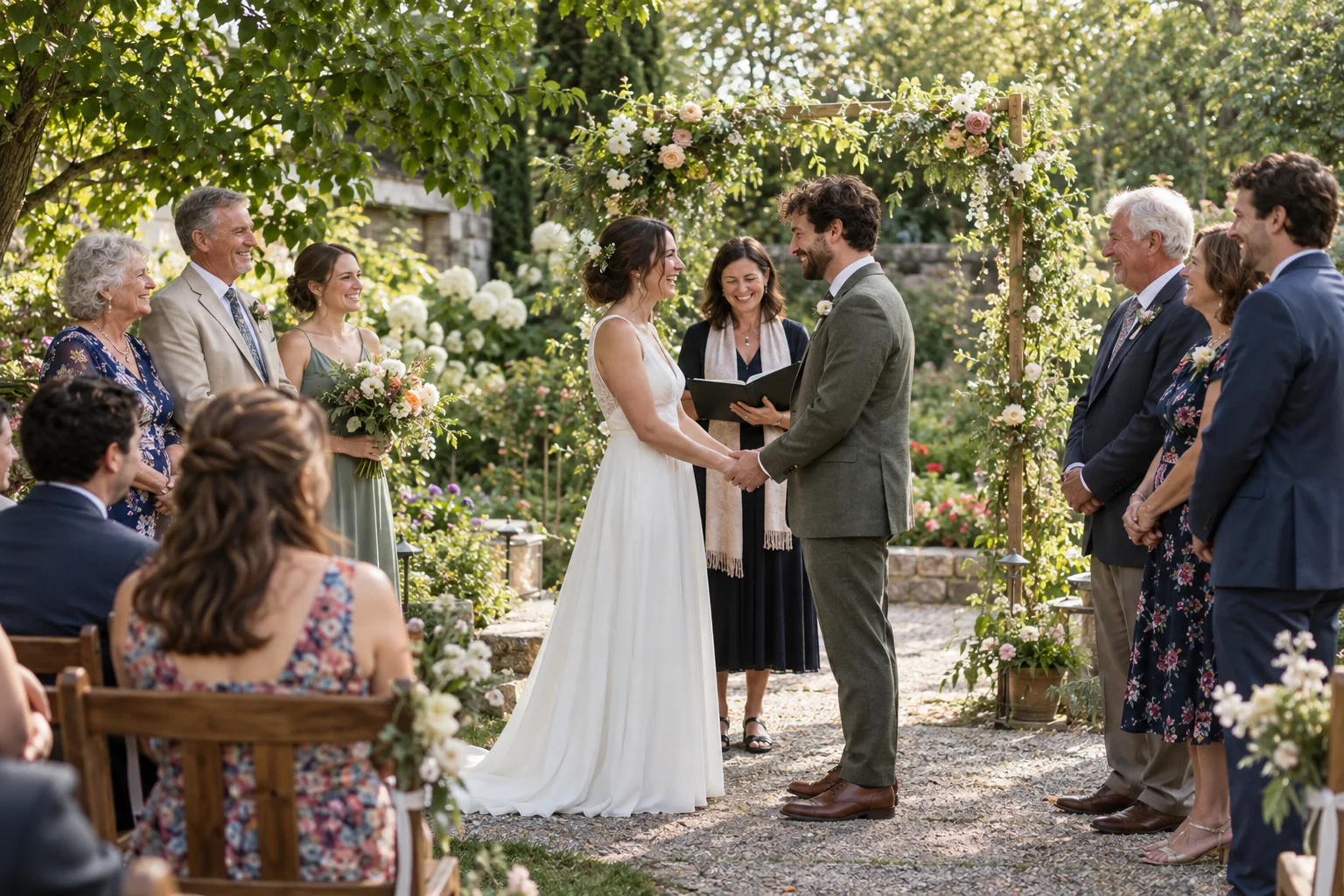
A small guest list changes the atmosphere of a wedding, but it does not remove the decisions. You still need a place, a workable schedule, clear invitations and a ceremony that reflects both partners. Start with the experience you want your guests to share, then choose details that support it. An intimate wedding can feel generous without becoming elaborate.
Begin with three shared priorities
Before browsing venues, each partner should name three things they would miss if those things disappeared from the day. One might want grandparents close enough to hear the vows; the other might want a relaxed dinner and no public speeches. Compare those answers before discussing colors or flowers. The overlap becomes a planning brief you can return to when choices multiply.
Turn broad wishes into observable decisions. “Personal” might mean writing a short welcome together, choosing a reading from a favorite book, or serving a family dessert. “Relaxed” might mean one location, an earlier ceremony and photographs before guests arrive. A clear brief helps you decline extras without debating every suggestion from scratch.
Make a separate list of necessities: legal arrangements, access, shelter, seating, food and transport. These are not competing with romance. They make it possible for people to be present and comfortable. Keep the brief on one page, with a total spending limit and the names of people responsible for each major task.
Build a guest list you can explain kindly
Choose a boundary together before writing names: immediate family and a few close friends, for example, or people with whom you both maintain an active relationship. Apply it consistently. Decide how partners, children and caregivers fit into that boundary, recognizing that access needs can call for flexibility rather than rigid symmetry.
Do not promise invitations while the list is still unsettled. A simple explanation is enough: “We are planning a very small ceremony with our closest circle.” Avoid comparing relationships or telling someone which invited guest took their place. If you want another gathering later, describe it only after you have decided you can actually host it.
Send invitations that state who is invited, the location, the start time, the expected finish and any meal arrangements. Ask privately about dietary and accessibility needs. Small weddings often rely on informal communication, but guests still need the practical information they would receive for a larger event.
Choose a room that fits the people
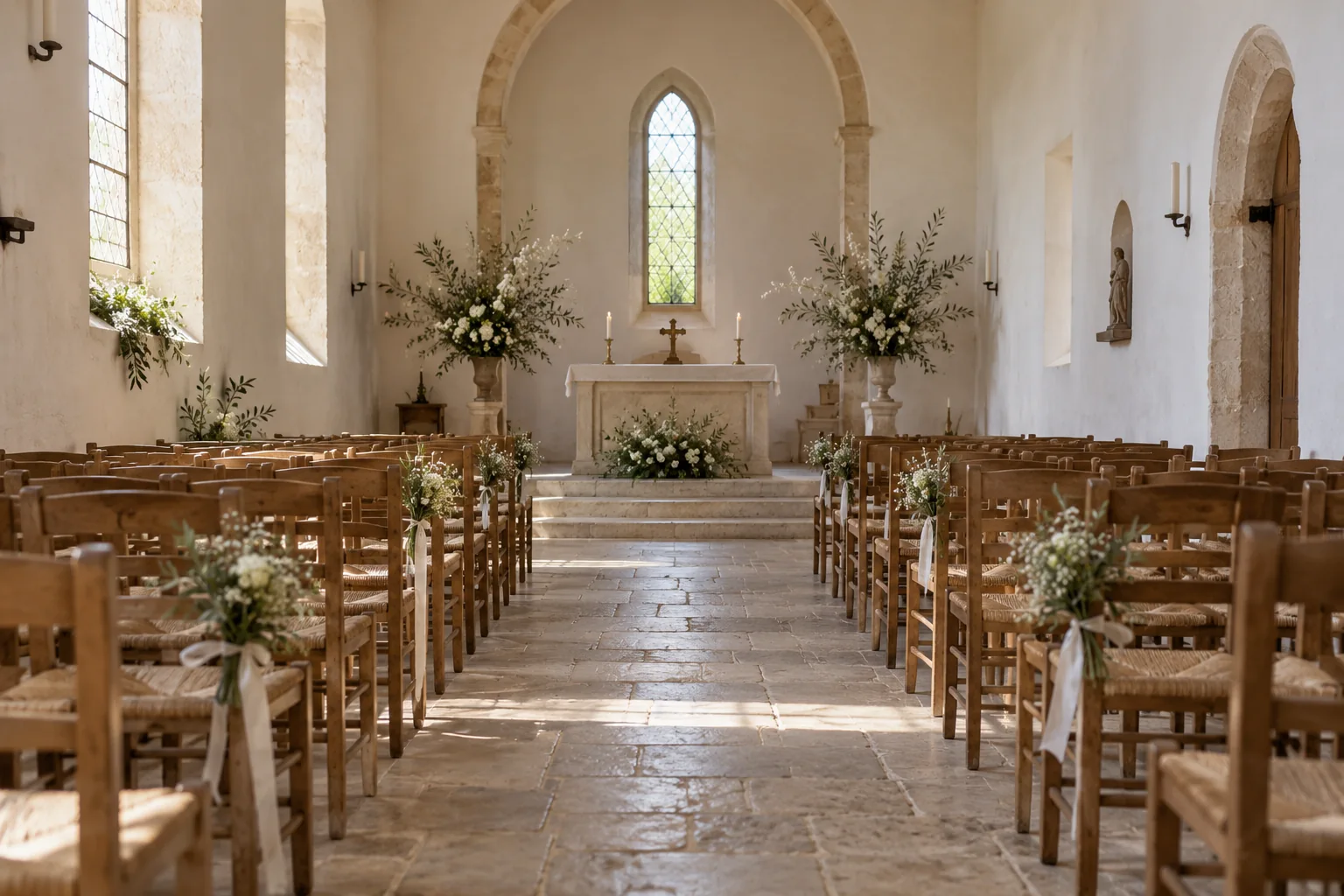
Visit the venue with your actual guest count in mind. A room that looks beautiful when empty may feel distant with twelve people scattered across fifty seats. Ask about arranging chairs in a shallow semicircle, shortening an aisle or using a smaller area. Leave clear routes for mobility aids and avoid placing floral arrangements where they interrupt sightlines.
Check what guests experience between arrival and departure. Is there a sheltered entrance, a usable restroom, somewhere to sit while waiting and a clear route to the meal? Ask how sound carries when the room is occupied. A small audience does not automatically mean everyone can hear an unamplified ceremony.
For an outdoor plan, establish an indoor or covered alternative before booking. Decide who calls the weather change and when guests will be told. Compare package limits and access windows in our chapel and wedding venue comparison before choosing a location based only on photographs.
Write a ceremony with a clear beginning and ending
A useful working order is a welcome, a reading or brief reflection, the vows, any ring exchange, the required legal wording and a closing. Your officiant should confirm what wording and witnesses are required where the marriage takes place. Personal additions should fit around those requirements rather than replace them by assumption.
Ask both partners how much they want to speak publicly. One can read personal vows while the other uses a shorter prepared promise, if you both feel comfortable with the difference. You can also exchange private letters and use shared vows during the ceremony. Balance matters more than equal word counts.
Give readers their text early and ask them to practice aloud. Include pronunciations and a cue for when they should stand. A familiar song, a pause to acknowledge absent loved ones or a welcome in another family language can create meaning without adding a long series of rituals. Choose one or two elements you can explain naturally.
Use a simple planning timeline
Once the date and location are agreed, confirm the officiant, the guest boundary and the overall spending limit. Check marriage requirements with the relevant issuing office. The USAGov guide to marriage licenses and certificates explains the distinction between permission to marry and the record of a completed marriage; use local authorities for the rules that apply to you.
Several weeks before the wedding, finalize ceremony wording, seating, music and the meal. Share a draft schedule with suppliers rather than asking each person to infer it. In the final week, reconfirm arrivals, weather arrangements, guest needs and the person carrying documents and rings. These are planning suggestions, not legal deadlines.
On the day, leave a buffer before the ceremony for late transport or an unhurried restroom visit. Assign one trusted person to answer practical questions so neither partner becomes the event help desk. Give that person supplier contacts and a copy of the schedule, with permission to resolve small problems within agreed limits.
Spend where your guests will feel the difference
With fewer guests, it can be tempting to upgrade every detail. Start with the total you are comfortable spending, then divide it into venue, food, ceremony, photographs, clothing, transport and a reserve. Ask for complete written quotes that include service charges, setup, rentals and any overtime. A smaller wedding is not automatically inexpensive.
Prioritize comfort and connection. A well-paced meal may matter more than elaborate favors; good sound may matter more than a second floral installation. Reuse arrangements only after confirming who moves them and whether the venue allows it. Never build a schedule around unpaid work that nobody has agreed to do.
If you want a handmade element, choose something you can finish well ahead of the day. Place cards are manageable; preparing every meal while getting ready usually is not. Let a practical rehearsal expose the work behind an attractive idea before you commit.
Protect the atmosphere you planned
Three avoidable mistakes are squeezing too many events into the schedule, assuming relatives will manage tasks and letting an informal invitation become ambiguous. Read the day from a guest’s perspective. They should know where to go, what happens next and whom to ask for help.
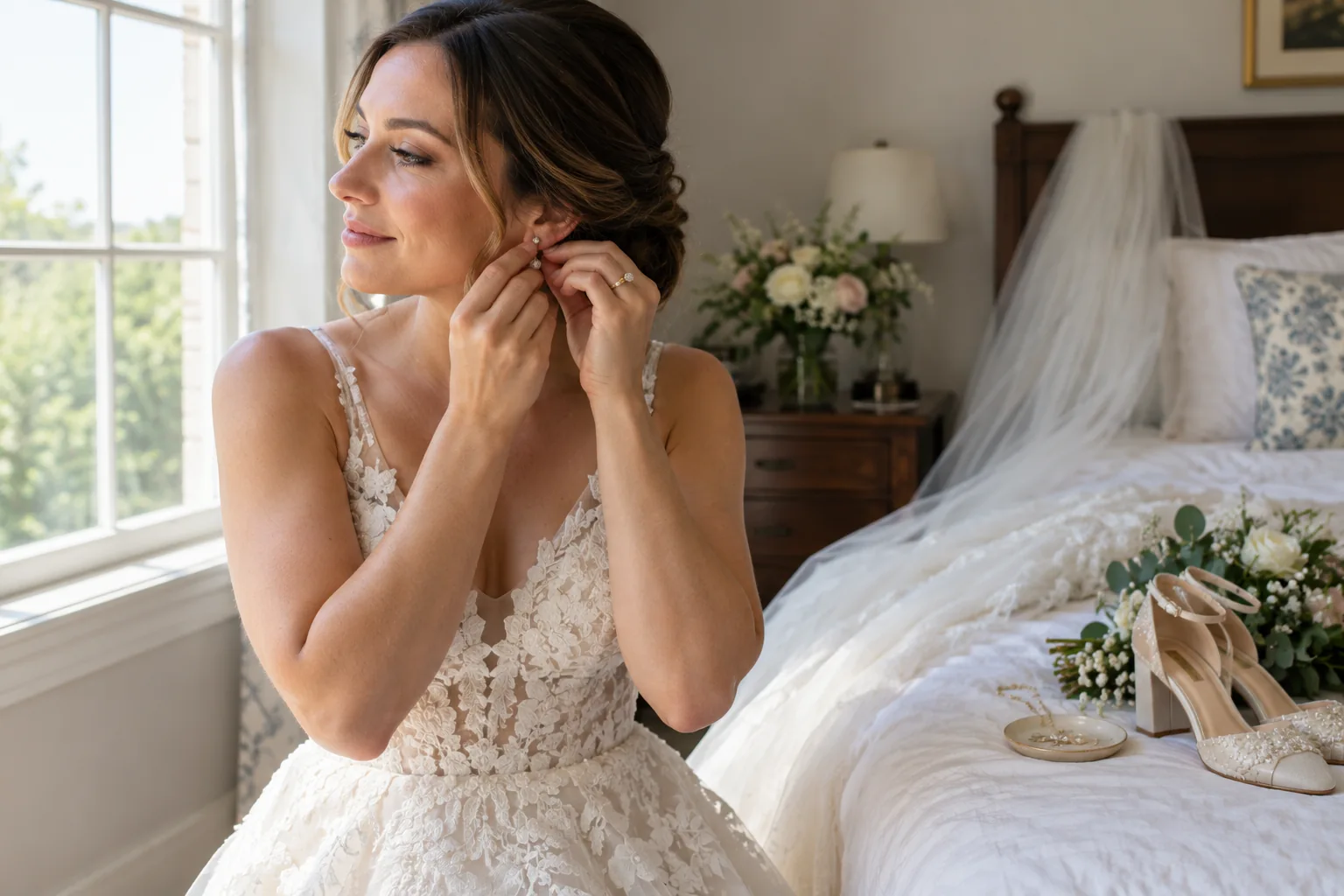
Plan the morning with the same restraint. Our wedding morning guide offers ways to make space for breakfast, letters and getting dressed without turning each moment into a photograph. Keep one quiet interval for yourselves after the ceremony, even if it is only a short walk before dinner.
The final test is straightforward: can you explain why each major element belongs? Keep the traditions that feel right, adapt those that need adjustment and leave the rest. A small ceremony feels personal when the decisions are yours and the practical arrangements let everyone enjoy them.